
Reliefs cut from and assembled of black MDF. A series I have launched in March 2025 and which just keeps going. Featuring a whole range of different appearances.
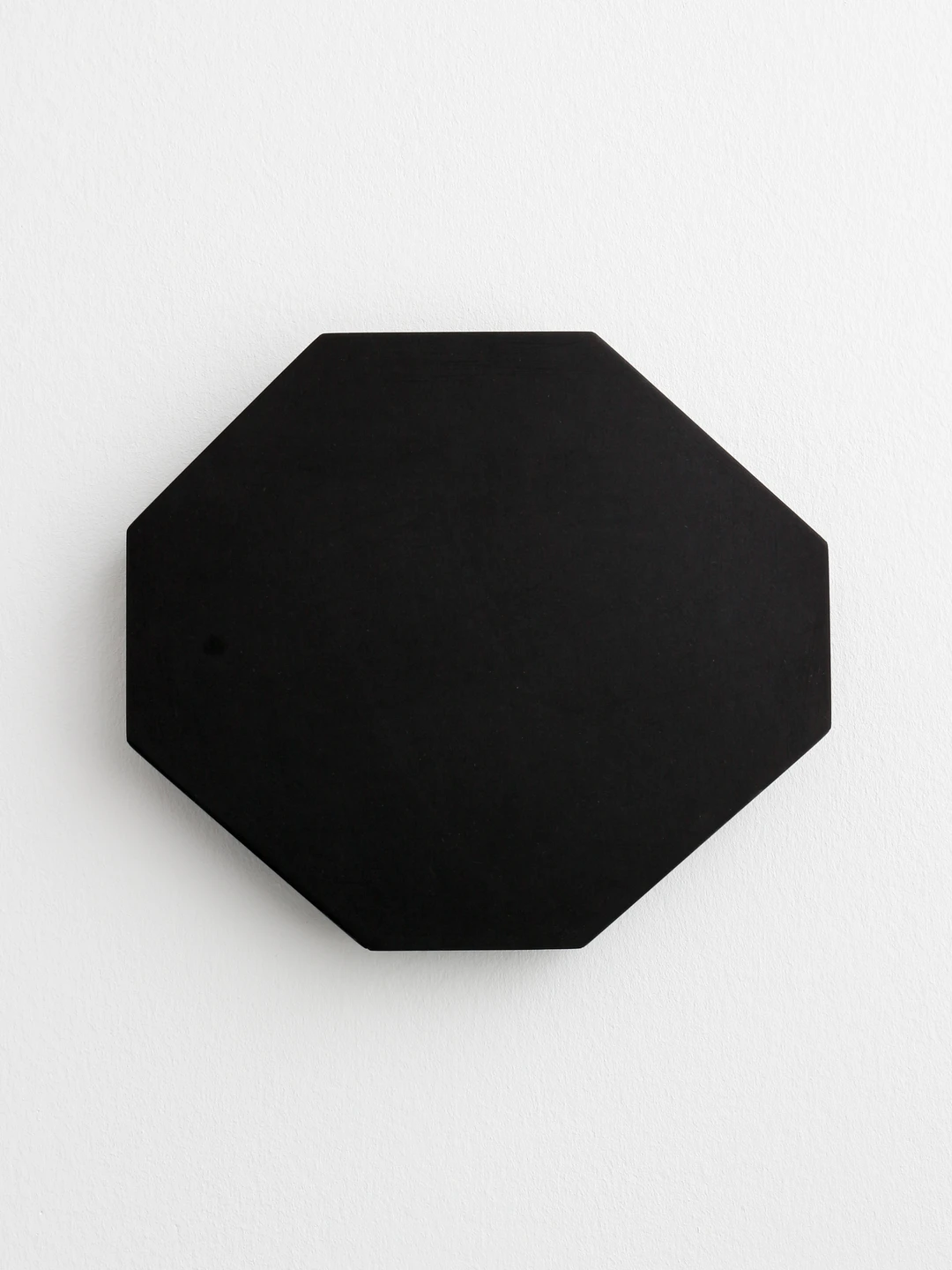
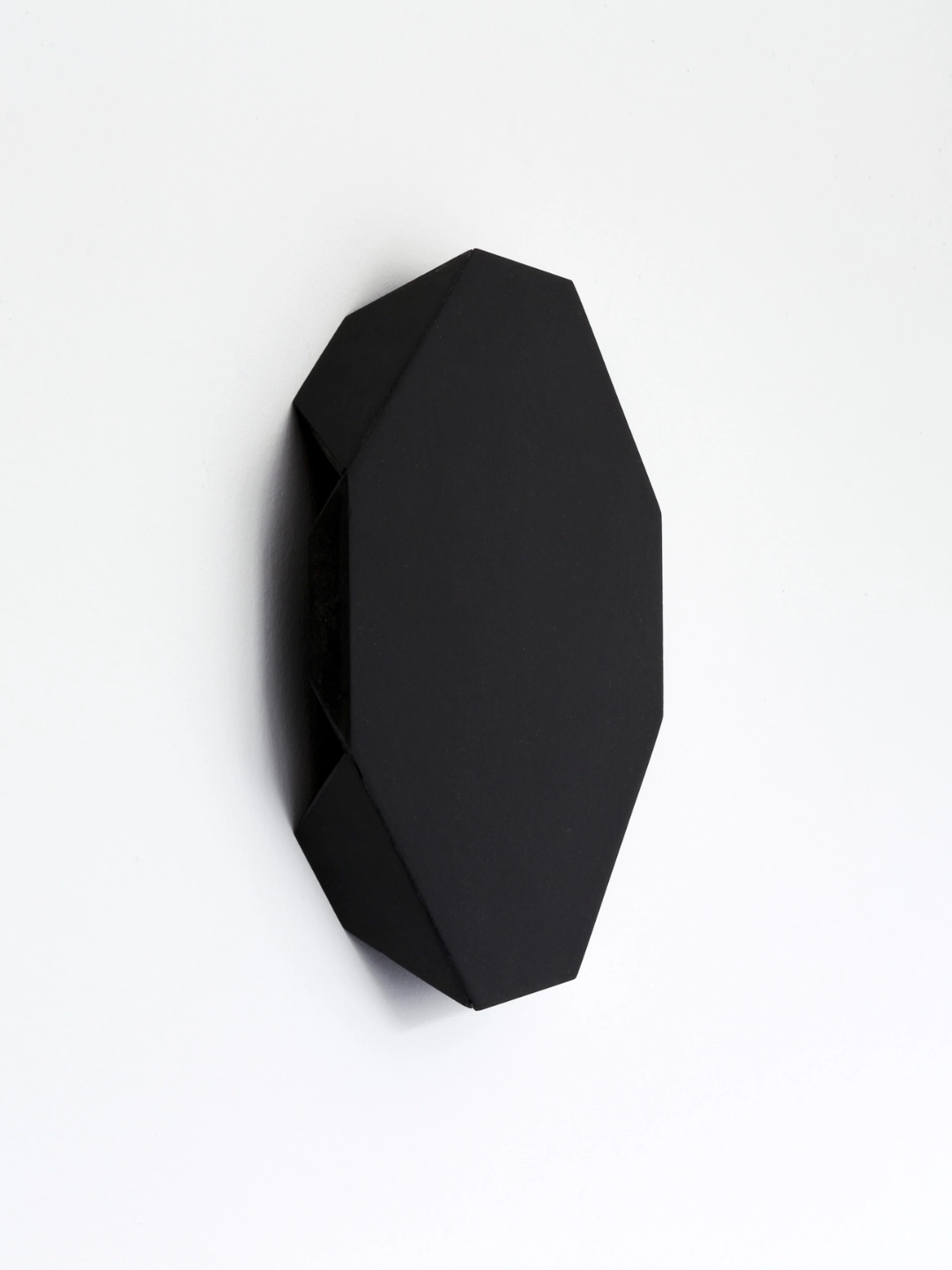
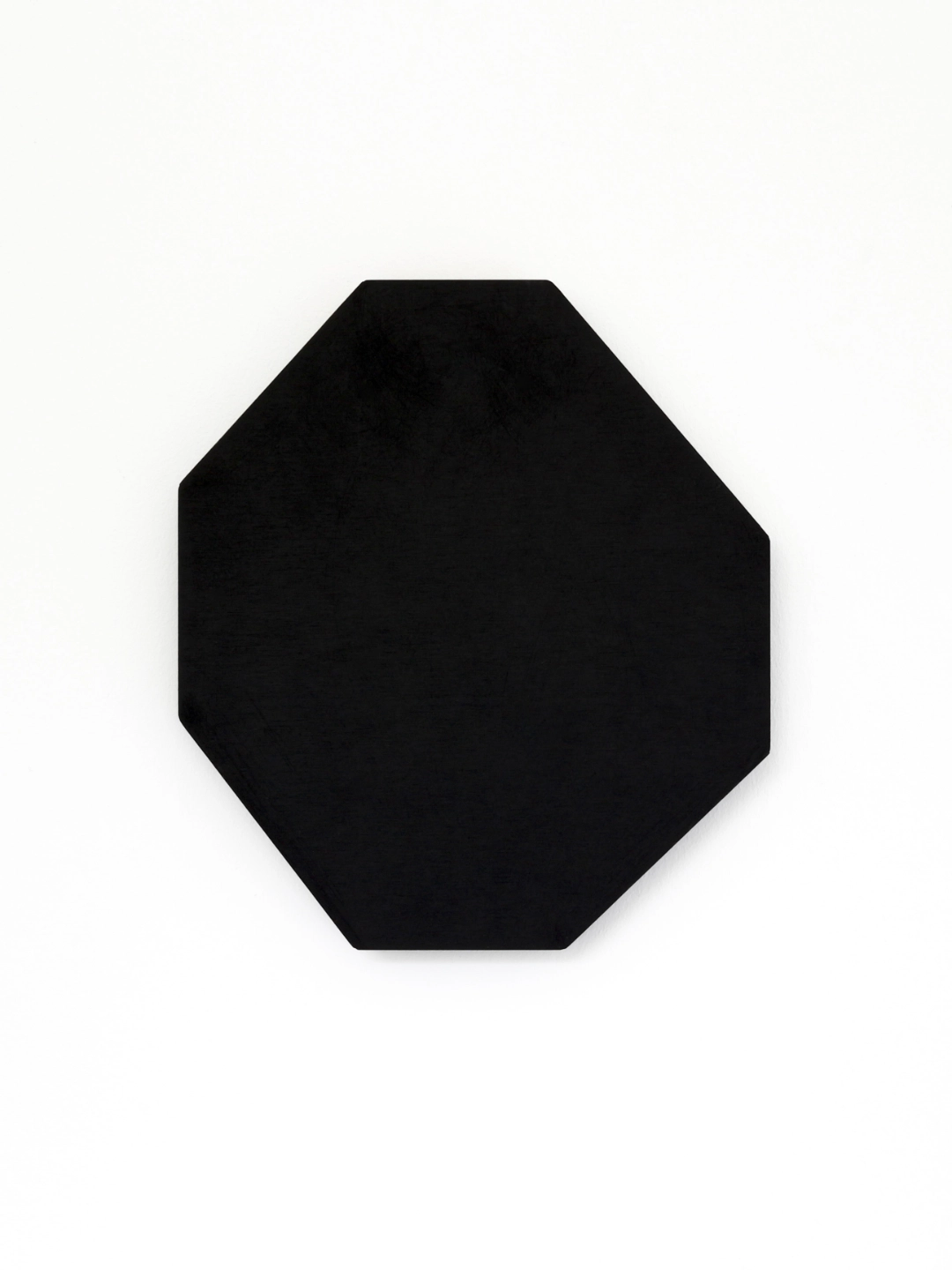
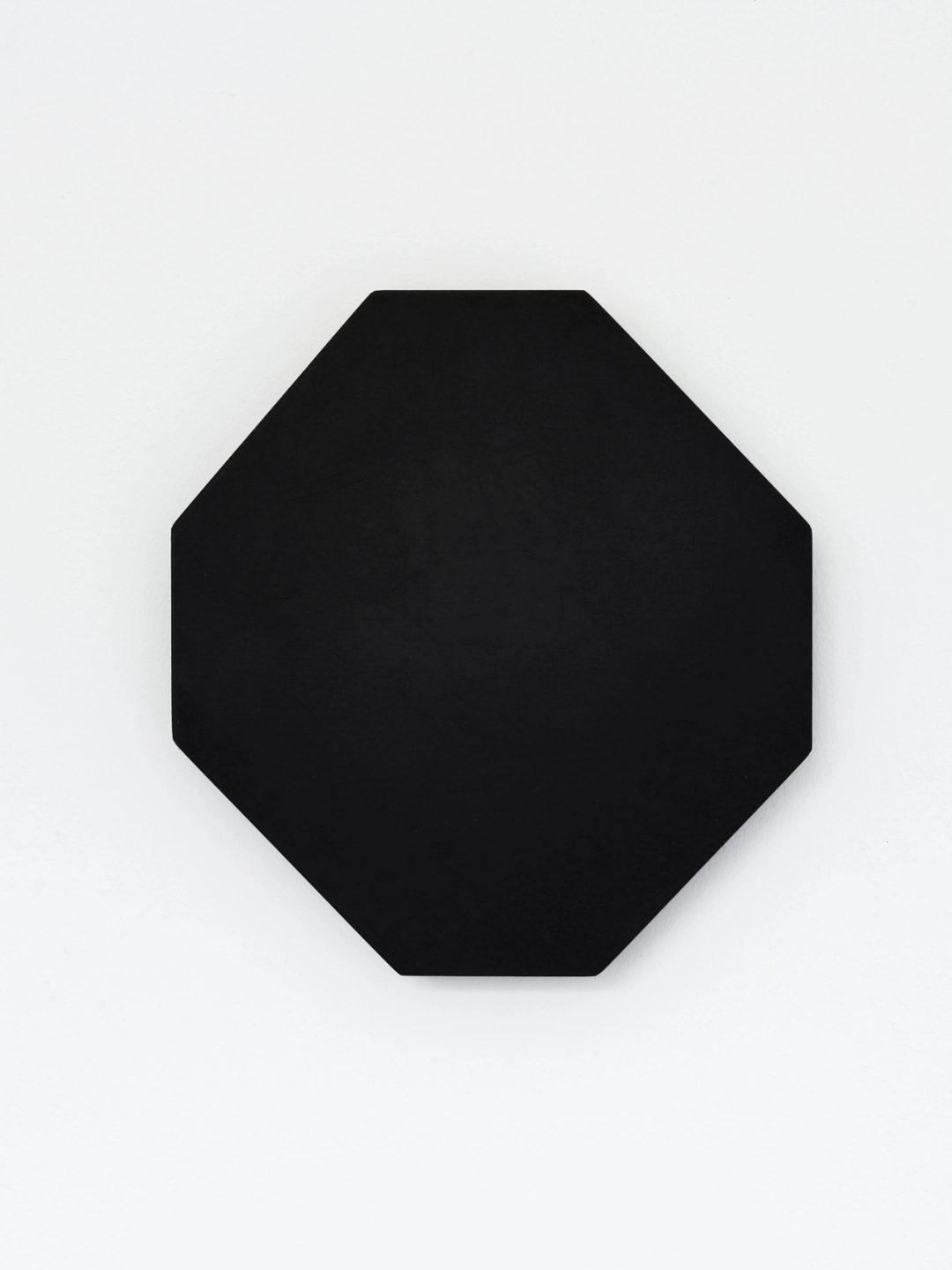
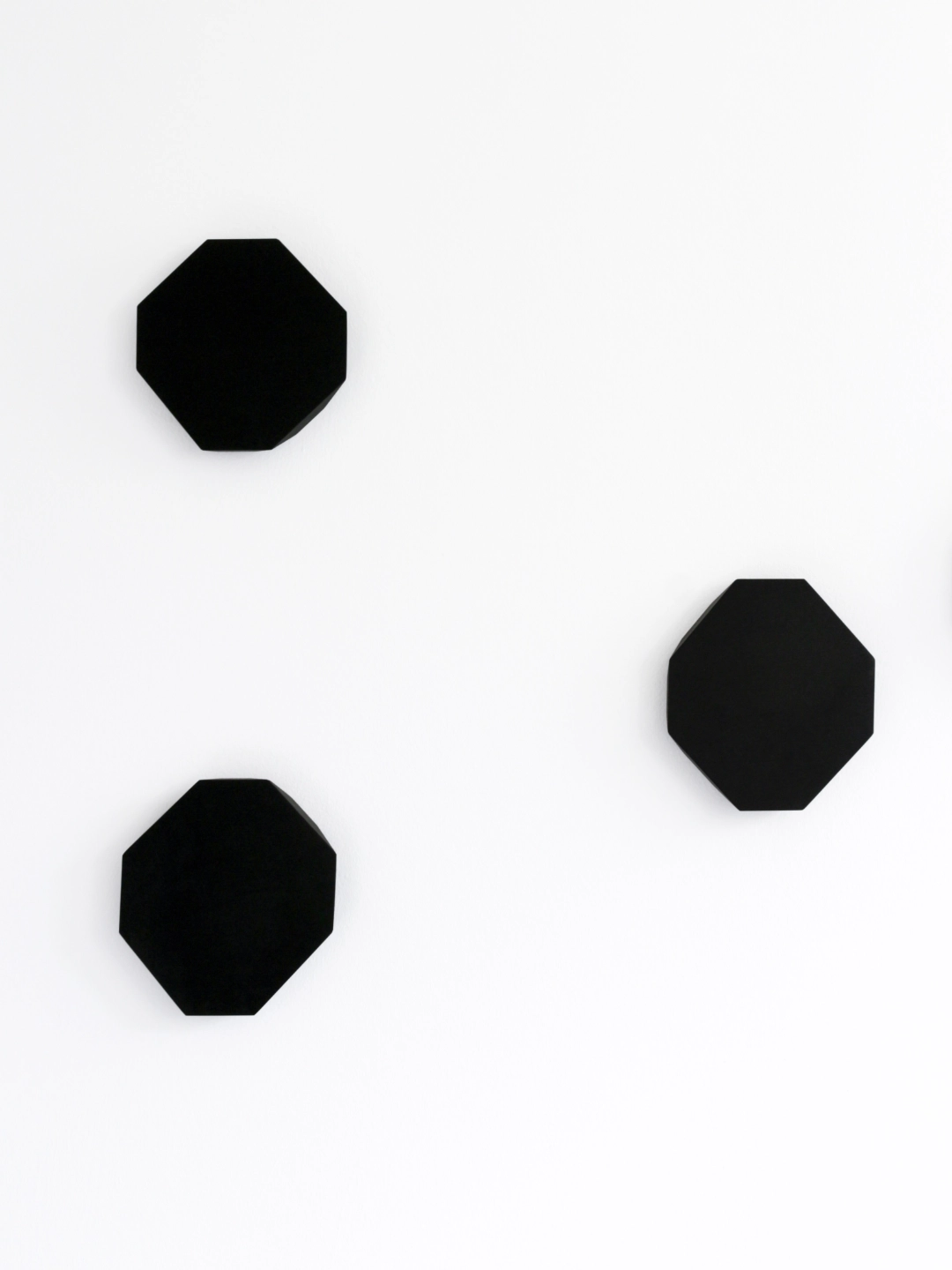
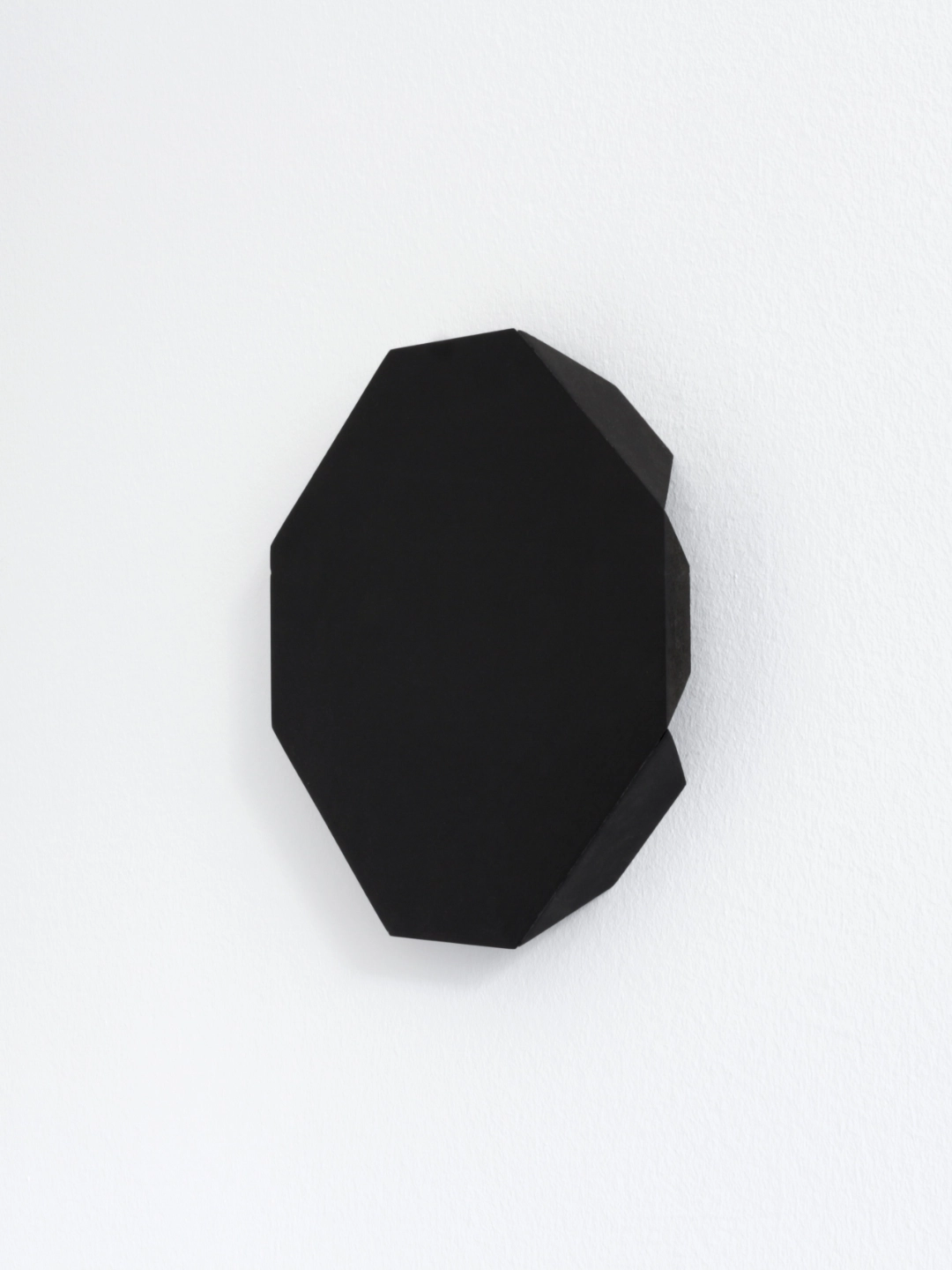
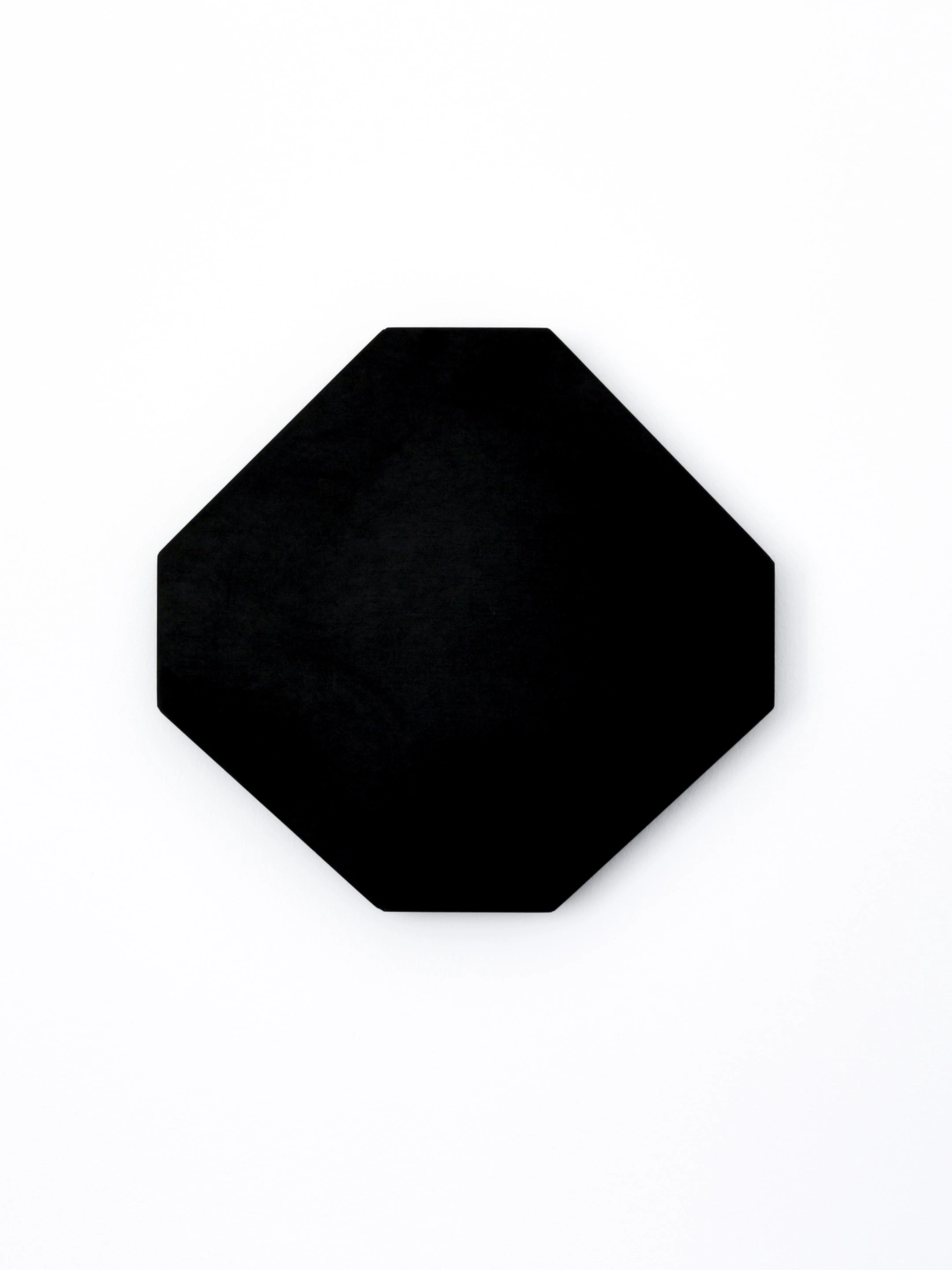
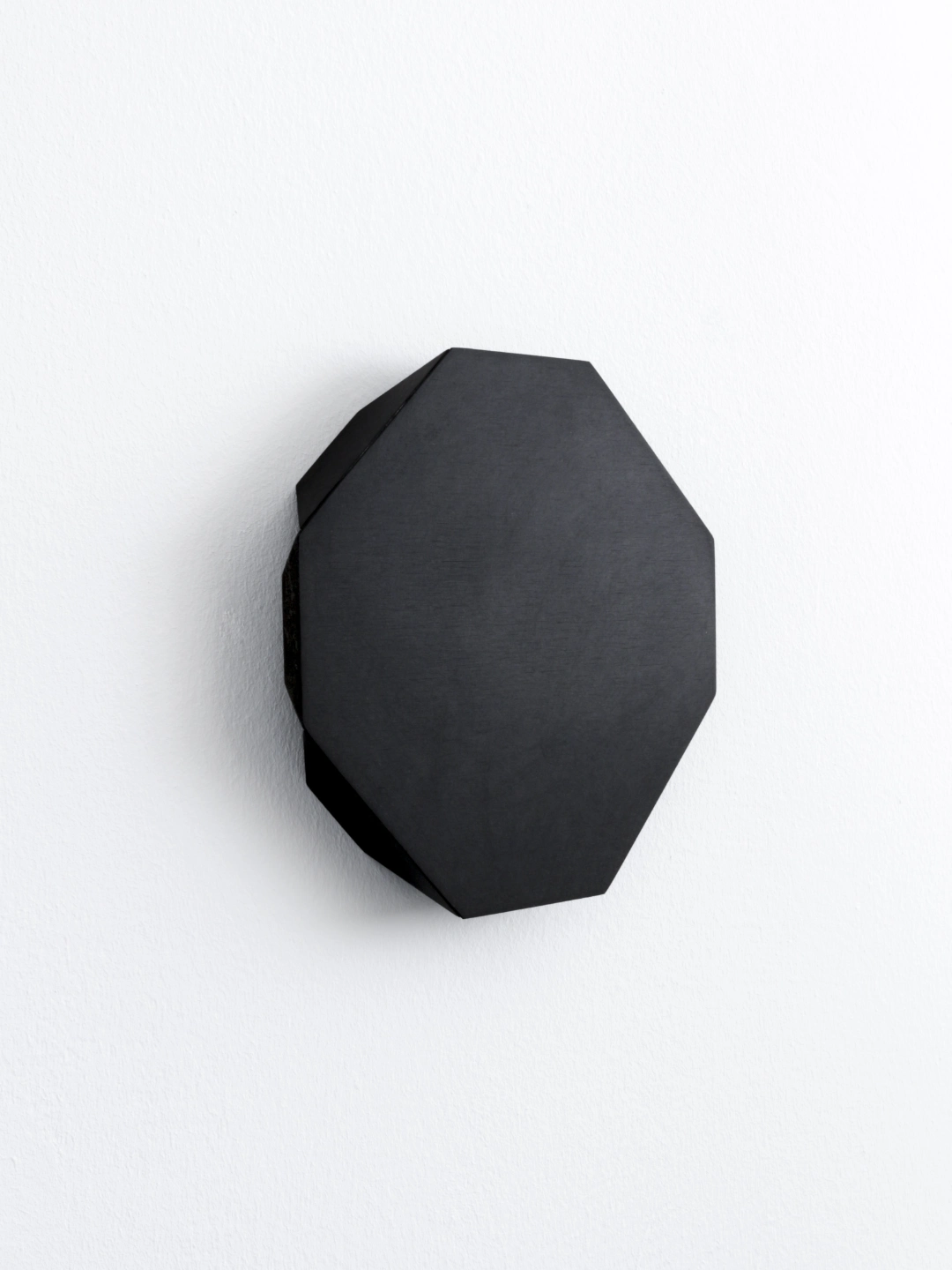
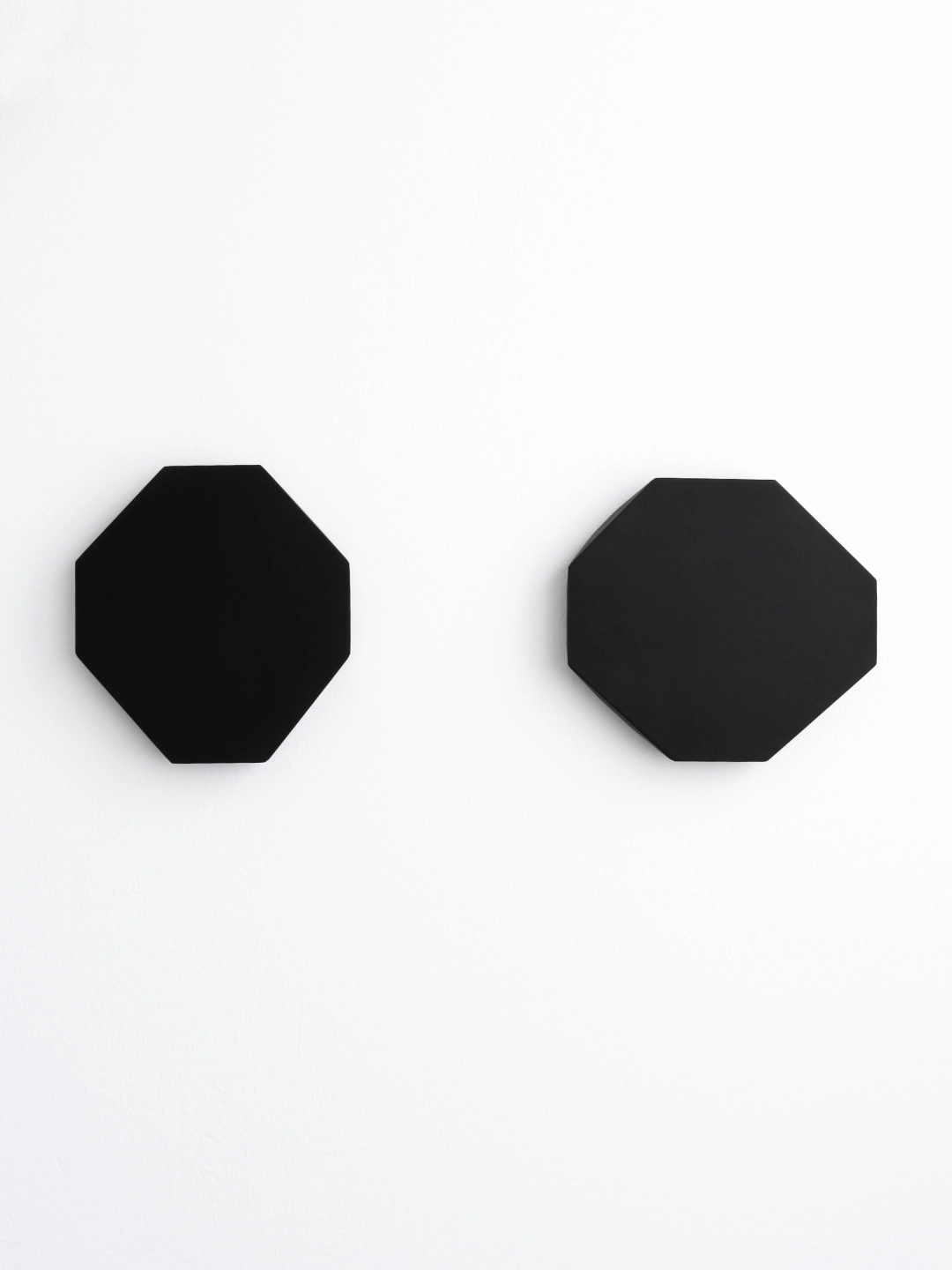
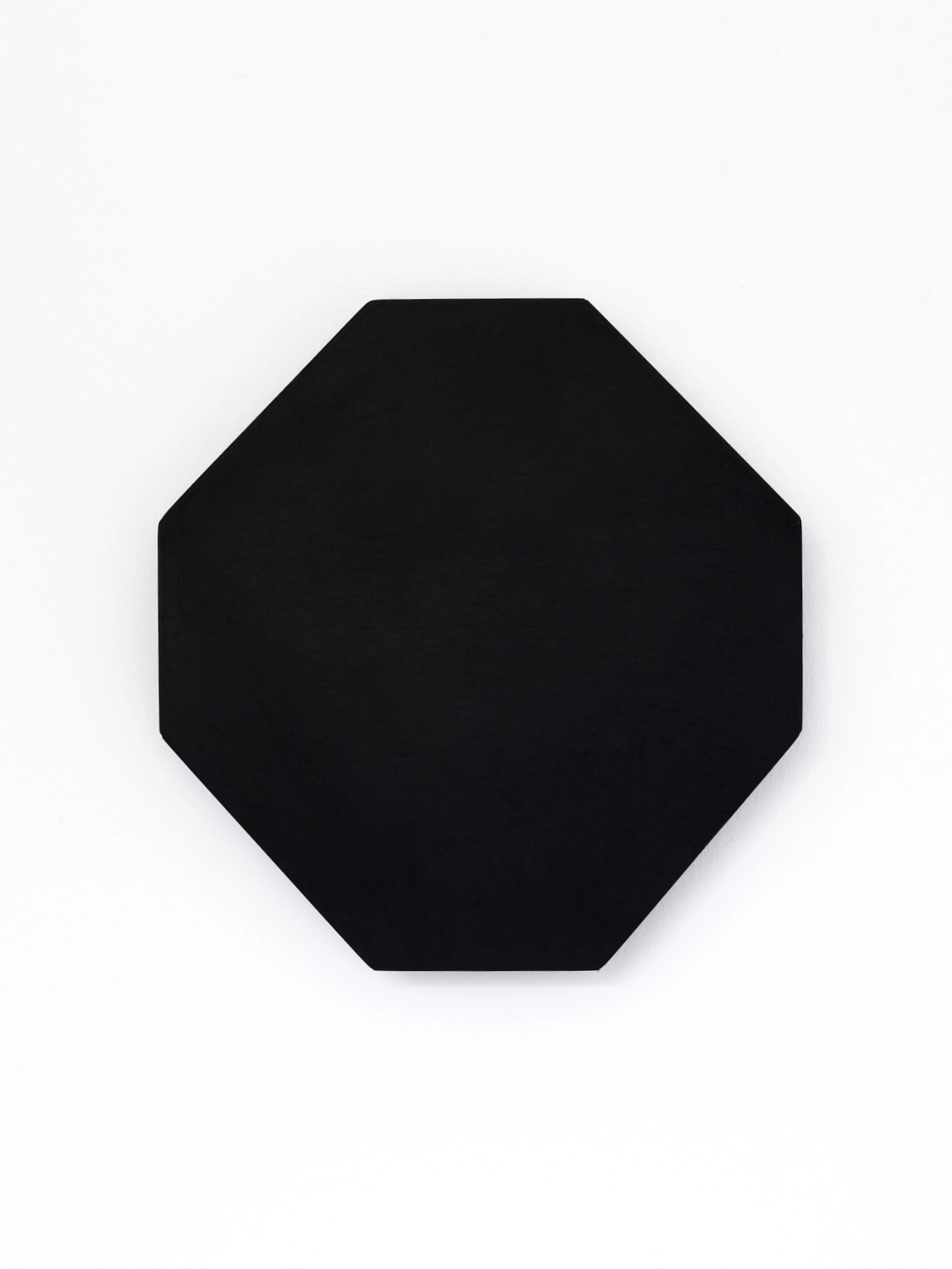
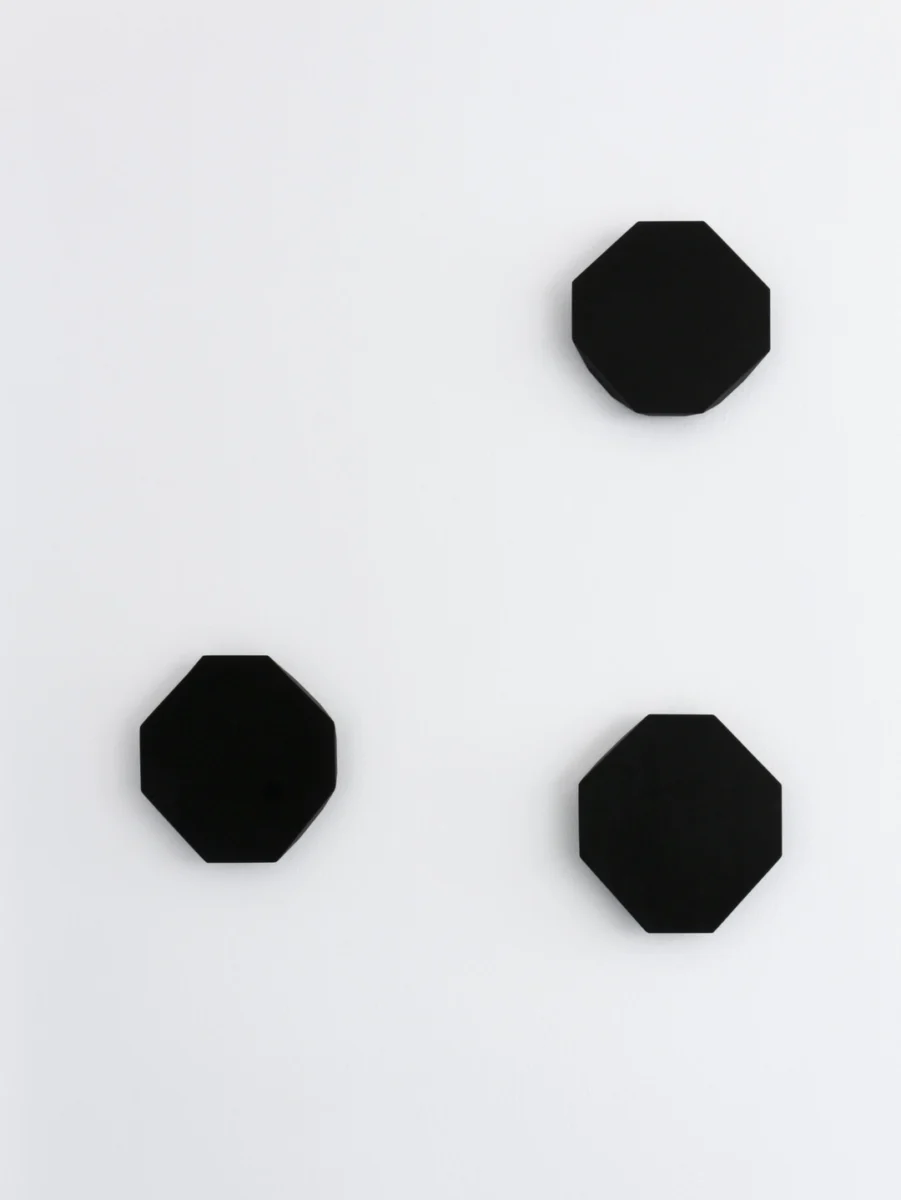
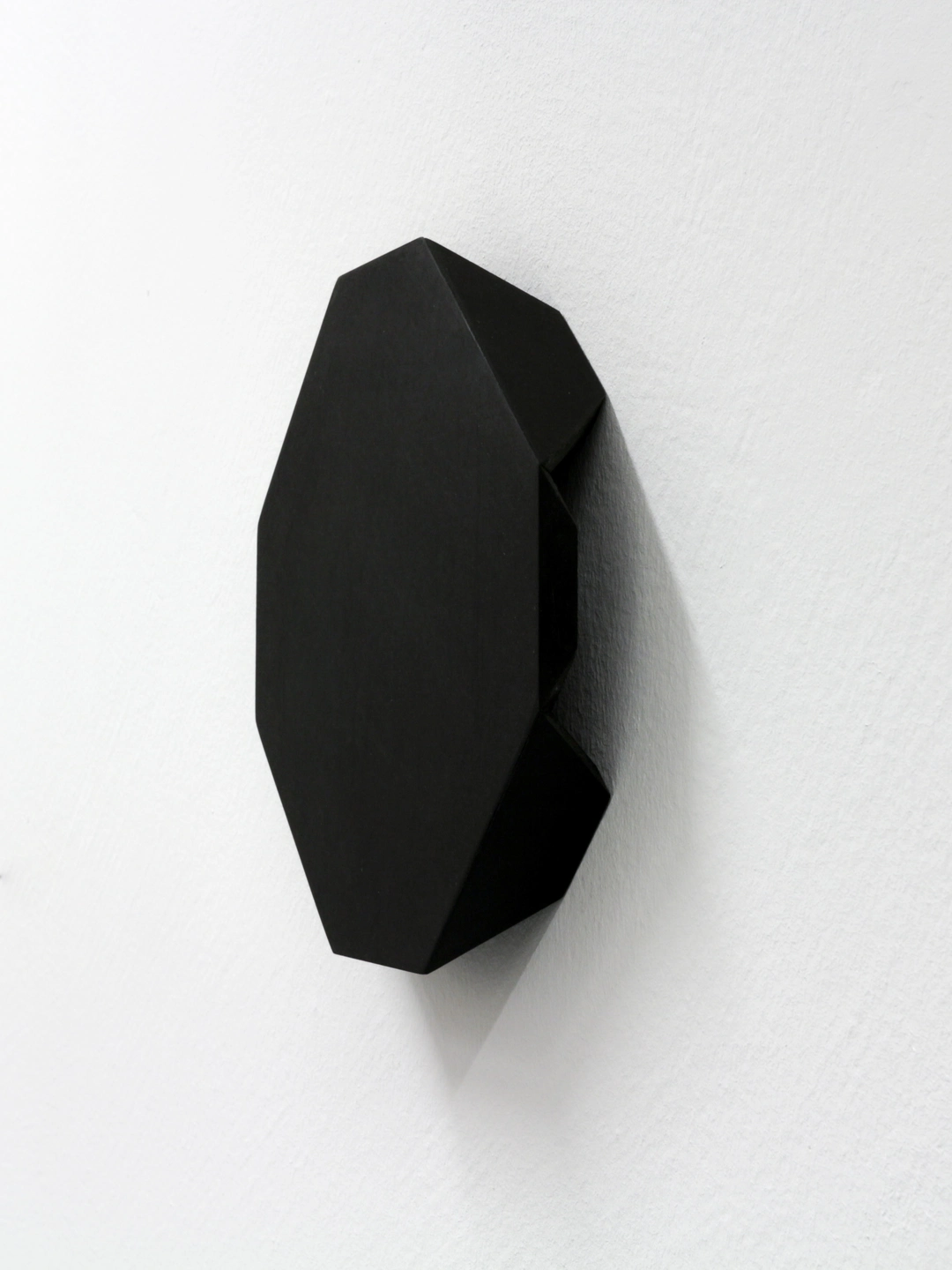
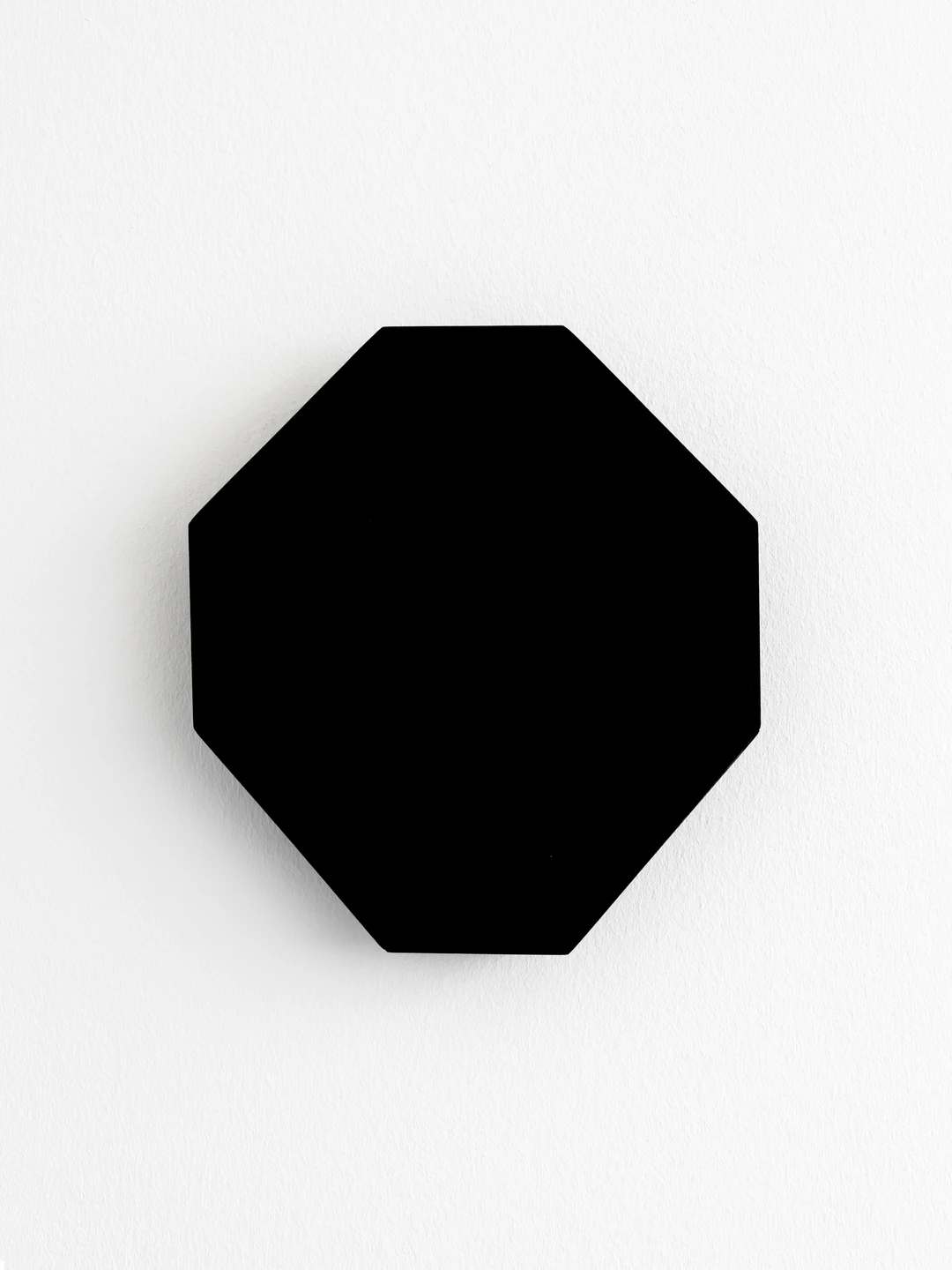
Reliefs cut from and assembled of black MDF. A series I have launched in March 2025 and which just keeps going. Featuring a whole range of different appearances.
Rebekka Brunke, Daniel Janik, Henning Kappenberg, Thomas Müller
Julia Münstermann, Benita Mylius, Julia Neuenhausen, Hartmut Neumann
RESTkollektiv, Peter Rühle, Heinrich Scherer, Bettina Schünemann
Katharina Sieverding, Silke Silkeborg, Elmar Zimmermann
13. Juli – 27. Juli 2025
Kunstverein Buchholz/Nordheide 21244 Buchholz

Il Pianeta – silver lacquer on leather, cord, diameter approx. 25 cm, 2003


15 Jahre Kienzle Art Foundation
Eröffnung: Freitag 13. September 2024 18—21 Uhr
Laufzeit: 13. September 2024—8. Februar 2025
Kienzle Art Foundation Bleibtreustraße 54 10623 Berlin
2009 von dem Berliner Sammler und Kunsthändler Jochen Kienzle ins Leben gerufen, feiert die Kienzle Art Foundation in diesem Jahr ihr fünfzehnjähriges Bestehen. Hervorgegangen aus der elterlichen Sammlung und mit einem Schwerpunkt auf der ungegenständlichen Malerei aus Deutschland und den USA, umfasst der Bestand der Kienzle Art Foundation Arbeiten von Künstler:innen, die repräsentativ für die seit den 1970er-Jahren zentrale Verlagerung künstlerischer Praxis hin zu Formen der Diskurs- und Ausstellungsförmigkeit stehen. Der Berliner Autor, Kunstkritiker und Ausstellungsmacher Hans-Jürgen Hafner hat die Stiftungsgründung 2009 begleitet und entwirft – mit Referenz auf eine Arbeit des US-amerikanischen Künstlers Tom Meacham – in The End Justifies the Means: Der Wunsch, die Abstraktion, die Stiftung ein Ausstellungstableau, das die Aspekte der Sammlung, ihrer öffentlichen Bearbeitung durch die Ausstellungs- und Publikationstätigkeit der Stiftung und dem damit verbundenen Wunsch, an der Wert- und Bedeutungsproduktion der Kunst Anteil zu nehmen, vom offenen Ende her in seiner historischen Entwicklung zeigt.
Mit Arbeiten von Fareed Armaly, François Joseph Chabrillat, Friederike Clever, Christian Flamm, Penelope Georgiou, Stefan Hayn, Fred Hugel, Jasmine Justice, Josef Kramhöller, Claudia Kugler, Jonathan Lasker, Tom Meacham, Klaus Merkel, Alfred Müller, Verena Pfisterer, Gunter Reski, Ketty La Rocca, Schleifschnecke (Jesko Fezer & Axel John Wieder), Emil Schumacher, Kurt Schwitters, Elmar Zimmermann, Peter Zimmermann

Eine Wand—Industrial felt sewn on stretcher panels mounted on armature in gallery space 240x548x18cm (corpus) 2010—Version 2024


Tasche 001 (American Spirit) — plastic, satin fabric approx. 75x27x9 cm 2023
This tailored to the human size sculpture is to be carried. With any content you want to wander around with. The shopper shown here is the first and the beginning of a series of unique pieces.
Take inspiration from this little afternoon stroll. Make this fashion piece a statement accessoir, and wear it on credibility street. On Ku’damm, Champs-Elysées and the likes it will certainly suit you too…
You can purchase your very own American Spirit shopper bag (Tasche 00X) here:


cloth/collected painter’s rag sewn together 130x210x10cm 2023
Contribution to the showcasing of brand new obscure fashion label Uffda at Stabbursfrieri Leveld Kunstfestival in Norway. Some kind of Tree-shirt. Drop cloth rags closed/sewn together, festival shirts within the scope of unwearable cloths.


aluminium, wire, led-lights 65x18x20cm 2022
views at 5th International Lantern Festival and in private collection above the roofs of Berlin


MDF relief 77x72x6cm 2019

“No hash, no star, no swastika, no picture, no frame, no seal, no shield, no token, no sign, no angle the same, no symbol to name. The shifting eyes just see – some thing.” (EZ)
4c-Risography Ed. 30 42×30 cm 2020

The work is one recent result of my artistic practice in the use of the useless, of leftovers, bycatch, findings.
Earlier this year, when all together everyone at home, I started to use the most powerless tool I could find on my computer: MS Paint—which still comes with Windows. This is a very simple pixel-based painting tool. I put up a tiny canvas in oktavo ratio and placed some of the program’s template icons—carefully choosing their position and colour, in just using the standard palette.
I liked the result, but did not stop there.
The weakness of pixels is the resolution. I wanted my picture to be defined and sharp, so I translated it into a vector graphic. The picture now is rendered in mathematic curves—no more fuzzy pixel-stairs, but it is infinitely scalable. Throughout this transfer the forms on the canvas became more fluid, the shapes formerly put one on top of the other were melting and connecting.
To bring this abstract thing into everyday life I chose to render it in Riso—a digital printing technique with high quality inks. So my processed picture found its place on warm sheets of paper as a screen print.
There are still some prints available. Get your #Paint here:
MDF reliefs 36×8,5x2cm 48×13,5×3,5cm 54x12x3,5cm 76×13,5x5cm 66,5×16,5×3,5cm 87,5×11,5x4cm 33×6,5x4cm 57x15x4,5cm 68×14,5×6,5cm 59x11x4cm 66×10,5×3,5cm 2019


cloth/collected painter’s rag 118x88cm 2016


cloth/collected painter’s rags snell 68x64cm 2018

textile 77x77cm 2016

textile 61x61cm 2016

cloth/collected painter’s rags sewn together 245x196cm 2013

felt cloth sewn on stretcher 164x132cm 2012

felt cloth sewn on stretcher 100x250cm 2012

cloth/collected painter’s rags snell 102x37cm 2011

Digital print Edition 10 31x25cm (framed) 2010

